

Confront the Hate, Find the Hope: Meet 3 People Who Inspired Me
Moving beyond sounding the alarm: how stories of courage, strength, and action from Melissa Alvarez, Peggy Kingsbury, and Jemar Tisby show us the path forward.


Sometimes, we become so focused on sounding the alarm on the crises we face that we forget to search for the hope.
That realization, based on conversations with many of you, was what drove me to take the old concept for this project—HateComesToMainStreet.com—and open my eyes to a slightly redefined focus, ConfrontTheHate.com.
As I explained in the announcement yesterday, part of the strength of the new website name is that it’s active. It’s not just silently standing on the street corner as hate marches down Main Street; it’s about confronting that hate.
Read the announcement below:

And the slogan—Confront the Hate, Find the Hope—speaks even more loudly to my vision for this independent publication that I launched six months ago.
Yes, there are still plenty of alarms that need to be sounded. That doesn’t change.
But rather than wallowing in despair over the rise of political extremism in America, this publication is an invitation to find the hope for a better tomorrow, to examine how we can combat that hate, and to find ways to work together.
When I think of that renewed focus, I think of the courage of Melissa Alvarez, the strength of Peggy Kingsbury, and the wisdom of Jemar Tisby, PhD.
Let me explain.
The courage of Melissa Alvarez
Melissa Alvarez is the exact opposite of a person who stands silently on the corner as hate marches down the street.
I first met Melissa last fall when I sat down with members of Nashville’s Jewish community to hear stories of the hate they have faced—and the story of Melissa’s courage inspired me in ways that defy easy description.
You can watch that conversation below:
Melissa was in Nashville’s downtown entertainment district in July 2024, serving as a tour guide to some girls visiting from Israel, when she encountered members of the neo-Nazi Goyim Defense League spewing their antisemitic slurs.
Without going into the vile details, trust me when I say that any right-thinking person would be disgusted by the words coming from their lips, not to mention their repeated shouts of “Hitler was right!”
Yet, Melissa became even more alarmed by the number of people who seemed willing to entertain their misguided notions.
“I watched people say, ‘Well, what are you talking about? Where did you get this idea?’ And they’re able to pull them in,” she told me.
The more she listened to their hateful rhetoric, the angrier she got.
In that moment, Melissa made a decision to confront the hate.
The Nashville mother and political activist pulled out her smartphone and began challenging the neo-Nazis about their beliefs that Jews are a threat to society.
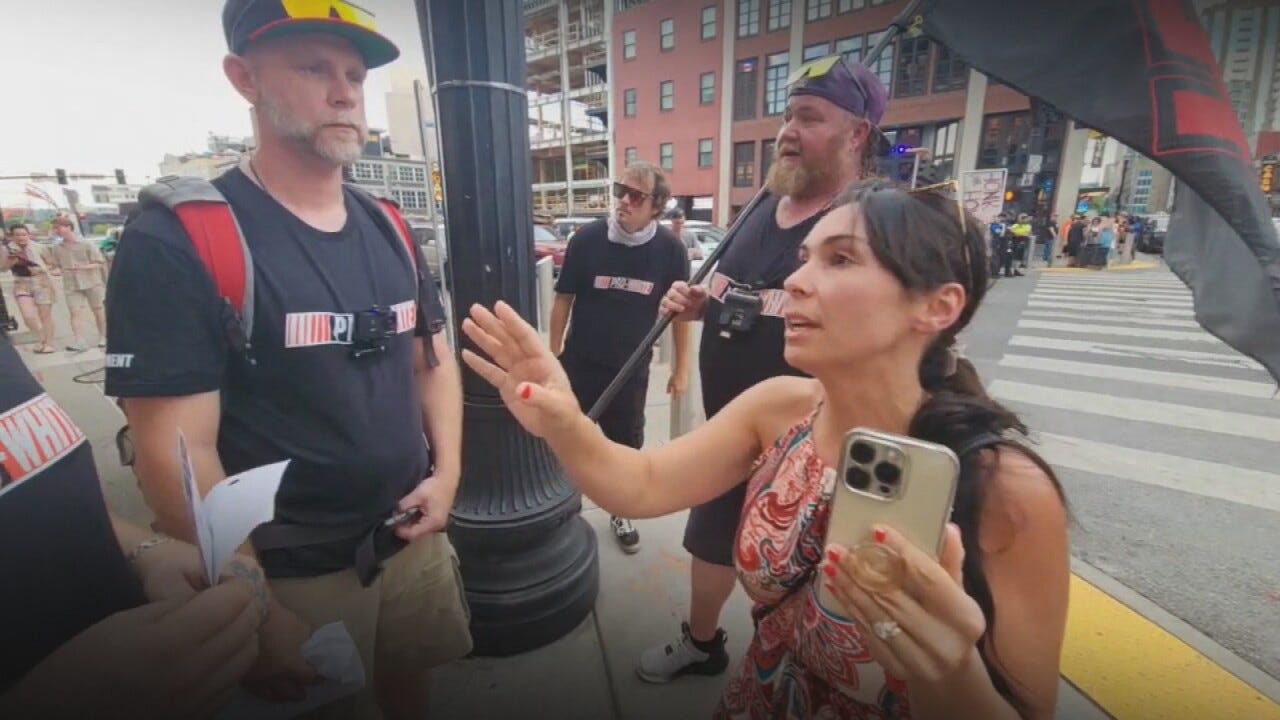
“Guys, I am 4-foot-11,” Melissa told them. “I am standing around a bunch of white men—and I’m a threat?”
As a result of this encounter, she began talking and texting for months with a GDL member from California.
“He’s just learning stuff off of the internet and being reinforced constantly,” Melissa recalled.
“So, he has these wild misconceptions about what Judaism looks like, about what Jews are. It was actually a positive conversation that came out of it.”
Melissa said the man eventually told her she was the first Jew he had ever met. In time, as their conversations continued, he decided to leave the neo-Nazi group.
Moments like that should give us hope—and more of those stories need to be told.
The strength of Peggy Kingsbury
No one who has met Peggy Kingsbury has ever doubted that she’s a strong, determined woman who will stand tall in defense of her personal beliefs.
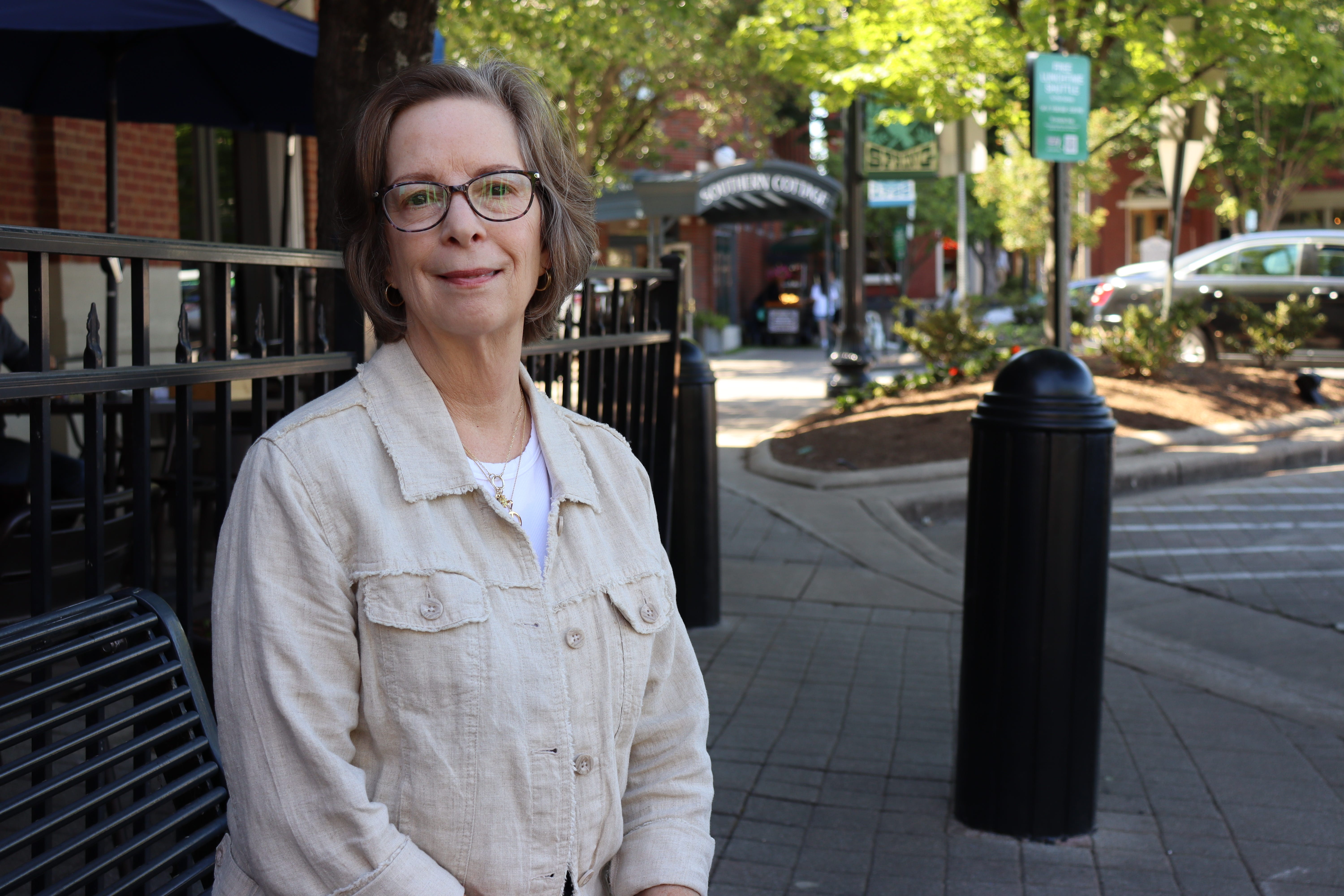
But that strength was certainly tested in the fall of 2023 when neo-Nazis injected themselves into a political campaign in her hometown of Franklin, Tennessee—a community described in these pages as a “Hallmark town.”
The neo-Nazis were backing MAGA candidate for mayor Gabrielle Hanson, and Peggy was trying to ensure that Hanson did not get the keys to the city.
As Peggy detailed in an essay for this publication, the neo-Nazis doxxed her, publishing her photo and home address along with the ominous declaration: “I think it’s about time that her and her kind were silenced.”
They later published a photo of the screen of Peggy’s phone that had been taken at a campaign event. Attached was the message: “This ain’t your revolution no more. We’re taking over from here. Hail Victory.”
It was followed by the twin lightning bolts of Adolf Hitler’s Nazi SS.
But here’s the hope: The effort to cow the community activist into silence failed. Peggy and her husband Paul sat down with me for an on-camera interview in which they declared they would not be intimidated.
Hopefully, others can learn from her example.
“Each time we have a chance to stand face to face with intolerance and prejudice we must hold the line,” Peggy wrote in her essay for this site.
“I have faith in what is right, and I believe love wins. The only thing standing up to hate cost me is a few social invites and some friendships I had misread.
“What a small price to pay.”
Read the full essay below:

The wisdom of Jemar Tisby
Some of the best parts of publishing this website are the in-depth conversations in which I am privileged to engage with some of the most thoughtful people in the country, people who I believe are contributing to a better tomorrow.
Dr. Jemar Tisby is a public historian and author of the book The Spirit of Justice: True Stories of Faith, Race, and Resistance.
In my conversation with him, Jemar described hope as not a feeling, but an action:
“We’ve got to remember, there were times in our history when Black people in particular didn't have any real experience, external signs of hope.
“You think the Civil War came around in the 1860s. Well, how would an enslaved Black person in the 1830s or the 1790s have viewed their circumstances? They wouldn't have seen on the horizon any sort of conflagration like the Civil War. It would have looked like, well, this is my entire life.
“And yet, they were somehow able to come up with music and dance and have families and laugh and find joy in the world. Everything they did to push back against their own dehumanization was an act of hope.
“Similar to today, everything we do to push back against the devastation of ourselves or our neighbors, to push back against anti-democratic forces is a sign of hope.
“So, we shouldn't just be looking for hope as this buoyant feeling. We should be looking for hope as the actions that we take to resist oppression.”
Watch the interview below:
Those are three strong examples that have inspired me in this new chapter.
I hope you will join me on this journey. You can join the community of paid supporters who are helping to fund this independent voice for a better tomorrow.
Other action steps you can take:
Share this post and all my posts on your own social media!
Subscribe to my YouTube page, as well as watching, liking and sharing the videos.
Send me your ideas!
We’re in this together!
Confront the Hate. Find the Hope.